Five year PVG Scheme membership coming into effect April 2026
Five year PVG Scheme membership coming into effect April 2026
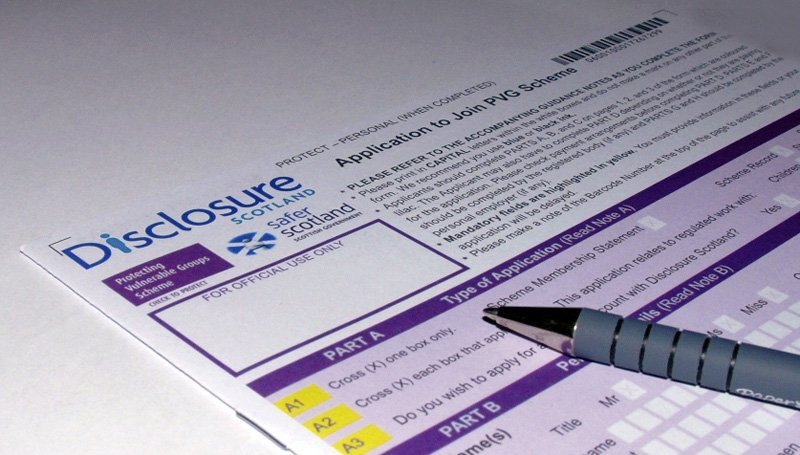
Disclosure Scotland has announced significant changes to the Protecting Vulnerable Groups (PVG) scheme, confirming the move from lifetime membership to a new five-year membership model for all new applicants, including Personal Assistants, from 1 April 2026. The update forms part of the ongoing implementation of the Disclosure (Scotland) Act 2020 and affects both new and existing PVG scheme members.
What are the current requirements for Personal Assistants and their Employers?
From 1 April 2025, PAs who carry out a regulated role are legally required to join the PVG scheme. The only exemptions apply to certain family relationships—for example, where the PA is a direct relative or lives in the same household and is treated as family.
PA employers should check that a PA is a member of the scheme, prior to commencing employment.
To find more information on the PVG Scheme you can visit our Handbook articles:
What is changing in 2026?
With PVG membership already a legal requirement for PAs since 2025, the 2026 changes do not alter who must join the scheme. Instead, they change how long membership lasts and introduce the need for regular renewal.
Employers of PAs should continue to follow the existing application process, but they should also be aware that renewal reminders and notifications will eventually form part of the system once the new membership structure is fully operational.
From 1 April 2026, anyone applying to join the PVG scheme will receive membership lasting five years from the date they join. Existing members who submit any PVG scheme application after that date will automatically transition from lifetime membership to the new five-year model. Disclosure Scotland will also begin moving longstanding scheme members over in phases.
There is no change to the current PVG application process, and Personal Assistants are advised not to apply earlier or more frequently than usual. Once the new system is in place, PVG membership will require Personal Assistants to renew every five years, and the renewal process will be separate from disclosure applications.
Case studies
Scenario 1 – New PVG scheme member joining after 1 April 2026
Jordan submits an application to join the PVG scheme through his online account. His PVG scheme membership becomes active on 26 April 2026. Five years later, on 26 April 2031, he needs to renew his membership, to stay in the PVG scheme.
Scenario 2 – Existing PVG scheme member submits application after 1 April 2026, and before Disclosure Scotland move them from lifetime to five-year membership
Anna is a current PVG scheme member who joined in 2019. She submits an existing PVG scheme application through her online account. On 3 May 2026 she receives her PVG scheme disclosure. Anna will then be notified that she’s been moved to the five-year scheme. On 3 May 2031, she will need to renew her membership, to stay in the PVG scheme.
Scenario 3 – PVG scheme member does not make an application on or after 1 April 2026, and need to be moved over by Disclosure Scotland at some point in the future
Sam is a current PVG scheme member who joined in 2016. She has not submitted any subsequent PVG scheme applications. Disclosure Scotland will initiate this individuals PVG scheme membership moving over to the five-year membership in the future. Sam does not need to take any action until Disclosure Scotland contact her.
What happens next?
Disclosure Scotland has indicated that more information about the phased transition for existing members will be shared in the coming months. No action is required at this time unless an individual is submitting a PVG application after 1 April 2026.
For PAs and PA employers, it remains essential to ensure compliance with the legal requirement for PVG membership and to stay informed about renewal responsibilities once the five year model is in effect.